Our Products
- 50% OFF
- NEW
- 50% OFF
MIGSPRAY WORLDWIDE


Trusted by Thousands

Have been using it for a month now. I suffer from chronic migraine(almost everyday) for more than 12 years now. On Topaz medicine for more than 3 years but still no relief. No neurologists, allopathy, homeopathy or ayurvedic medicines so far helped with sudden attacks. Wanted to give this a shot, it’s working like wonders. I use it whenever I feel there is a chance of migraine trigger. Will try to review again after a few months.

Review TextGot instant relief from headaches and migraines with this amazing product. I use both the spray and roll-on, and they work wonders. Easy to use, no side effects, and highly effective. I have ve reduced my pill intake significantly. Perfect for office-goers and anyone prone to headaches. Highly recommend!

General questions
Migraine, the second most incapacitating disease in the world, is a complex neurological condition that is often poorly understood. It requires crisis treatment to stop each episode, as well as preventive treatment (prophylaxis). Currently, the world depends on non-specific drugs such as antiepileptics, beta-blockers and antidepressants. Though the pathology of migraine remains mysterious, there is a real expectation on the part of patients for new disease-modifying treatments that has fewer side-effects and, if possible, a more natural approach.
Migraine and headache are two terms often used interchangeably, but they actually refer to two different phenomena.
Headache
A generic term for any pain or discomfort experienced in the head or neck region. It can have many causes, such as stress, muscle tension, dehydration or vision problems. The pain is often described as a constant vice or pressure and can vary in intensity. Most headaches are temporary and can be treated with over-the-counter analgesics.
Migraine
A specific type of headache, often characterized by pulsating, intense, unilateral pain. The exact cause is unknown, but is often linked to genetic and environmental factors. It may be accompanied by nausea, vomiting, and sensitivity to light and noise. Some people may also experience an “aura” before the onset of the migraine. Migraine management may require specific medications and a more complex treatment approach, often customized for each patient.
In summary, while headache is a general term for any pain in the head, migraine is a specific and often more severe type of headache, with unique symptoms and treatments. Migraine is considered a chronic neurological condition, often requiring more specialized medical management.
While its exact cause is not fully understood, various triggers and conditions have been identified that might contribute to the development or exacerbation of migraines. These include:
Genetics
A family history of migraines increases the likelihood of developing them.
Hormonal Changes
Fluctuations in hormone levels, especially in women, can trigger migraines.
Stress
High levels of stress can lead to migraines, whether from work, family, or other personal situations.
Diet and Nutrition
Certain foods and additives, such as chocolate, cheese, caffeine, and MSG, can trigger migraines in some individuals.
Lack of Sleep
Inconsistent sleep patterns or inadequate rest can lead to migraines.
Environmental Factors
Bright lights, loud noises, or strong smells may trigger migraines.
Weather Changes
Some people find that changes in weather or barometric pressure can trigger migraines.
Alcohol and Caffeine Consumption
Both excessive alcohol and caffeine can contribute to migraines.
Medications
Certain medications, including birth control pills and vasodilators, may exacerbate migraines.
Chronic Fatigue
Ongoing fatigue and overexertion can be contributing factors.
Other Health Conditions
Diseases such as depression, anxiety, epilepsy, stroke, and hypertension may increase the likelihood of migraines.
Sensory Stimuli
Overstimulation of the senses, such as prolonged exposure to screens, may lead to migraines.
Physical Triggers
Intense physical exertion, including sexual activity, may provoke migraines.
Unhealthy Habits
Smoking and high consumption of unhealthy foods may contribute to the development of migraines.
Menstrual Cycle Fluctuations
In women, migraines can be related to their menstrual cycle.
Dehydration
Lack of sufficient hydration is another potential trigger.
Altitude Changes
Some individuals report migraines at high altitudes.
Chronic Conditions
Diseases such as fibromyalgia or irritable bowel syndrome (IBS) may be linked to migraines.
Mental Health
Emotional disturbances, anxiety, or depression can lead to migraines.
Occupational Factors
Working in high-stress or physically demanding jobs may increase the risk.
These triggers vary greatly among individuals, and some may experience migraines with no identifiable triggers. Managing and identifying these factors may help in preventive care, but it often requires a personalized approach under the guidance of healthcare professionals.
Other common triggers include:
- Weather, including temperature changes, extreme heat, extreme cold, high humidity, dry or dusty conditions, barometric pressure changes, wind, and storms
- Smells from food, perfume, paint, bleach, and chemicals
- Loud sounds
- Air pollution and smoke from cigarettes, cigars, exhaust fumes, and fires
- Bright or glaring light, fluorescent lights, flashing lights, and computer screens
- High altitude
- Travel, including flying, jet lag, or motion
- Seeing patterns, including stripes, checkerboards, or zigzag lines
While the physical symptoms of migraine are generally the same between men and women, they often have different experiences. While women are far more likely to experience migraine resulting from hormone level changes, men are more likely to experience it from other physical and lifestyle triggers. Men are also far less likely to report their migraine condition and seek treatment.
Hormonal changes in women
Fluctuations in estrogen, such as before or during menstrual periods, pregnancy and menopause, seem to trigger headaches in many women. Hormonal medications, such as oral contraceptives, also can worsen migraines. Some women, however, find that their migraines occur less often when taking these medications.
Hormonal changes can trigger a menstrual migraine headache, which can occur a few days before a period, and during the first 1 to 2 days.
Migraine is not just an adult ailment; it also affects children and adolescents. Though often underrecognized, migraines in children can be as debilitating and complex as they are in adults.
Symptoms and Diagnosis
The symptoms of pediatric migraine can vary widely and might include a throbbing or pulsating headache, nausea, vomiting, and sensitivity to light or sound. Sometimes the symptoms are less typical in children and may be shorter in duration. Diagnosing migraine in children can be challenging, as they might have difficulty in describing their symptoms. Comprehensive evaluation, including a detailed medical history and physical examination, is vital for an accurate diagnosis.
Triggers and Causes
Like adults, children with migraines may have identifiable triggers. These might include stress, lack of sleep, certain foods, weather changes, or sensory overstimulation. However, the exact cause of migraines in children, like in adults, remains elusive and seems to be a mix of genetic and environmental factors.
Treatment and Management
Treatment of migraines in children requires a tailored approach. It often includes a combination of medication and lifestyle modifications. Medications might include over-the-counter pain relievers or prescription drugs, depending on the severity and frequency of the migraines. Lifestyle modifications are equally essential. These can include regular sleep patterns, healthy eating habits, hydration, and learning to recognize and avoid individual triggers. Some children benefit from relaxation techniques such as biofeedback or cognitive-behavioral therapy.
Impact on Daily Life
Migraines can significantly affect a child’s daily life, impairing their ability to attend school, participate in extracurricular activities, or even socialize with friends. The psychological impact of chronic pain should not be underestimated, and support from family, medical professionals, and teachers is crucial.
Understanding and recognizing migraines in children is the first step towards proper management and treatment. A combination of medical intervention, lifestyle modifications, and emotional support can help minimize the impact of this challenging condition. Regular consultations with healthcare professionals specializing in pediatric headache disorders are often necessary to provide optimal care and treatment. The focus should always be on improving the child’s overall quality of life and helping them thrive despite the challenges posed by migraines.
Frequently Asked Questions
What is MIGSPRAY?
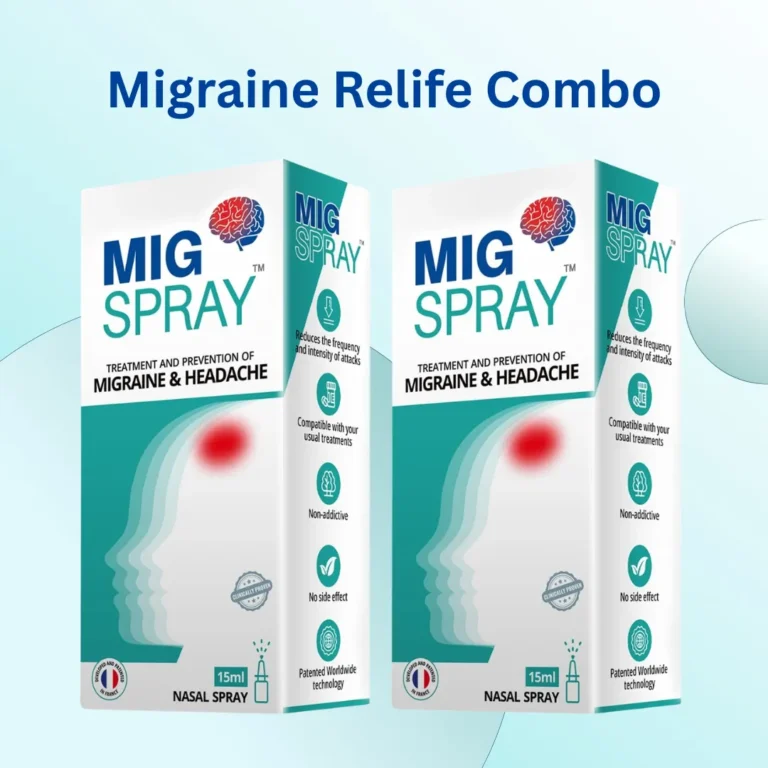
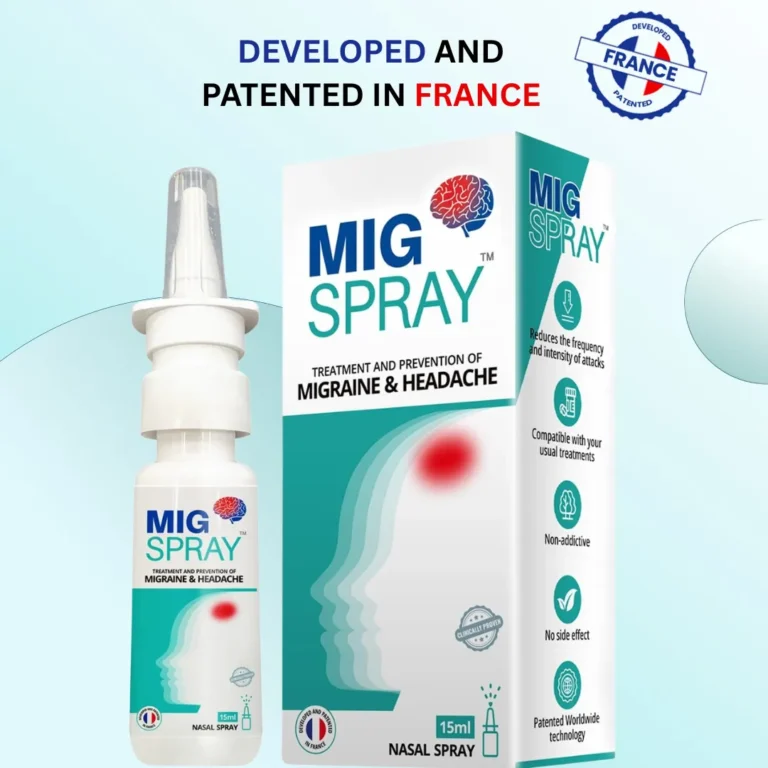
MIGSPRAY is a 15 ml nasal spray designed for the treatment and prevention of migraine and headache. It works locally on the nasal mucosa through a mechanical and osmotic action and is intended to help reduce the frequency and intensity of migraine episodes with regular use.
Can I use a Migspray every day?
Yes. Migspray is intended for regular use as part of a daily migraine prevention routine. Apply 2 sprays in each nostril, 2–3 times a day, or as directed by your physician.
Can I take it with my current treatment?
MIGSPRAY acts locally, mechanically, without releasing any active substance into the body: it is designed to be compatible with your usual treatments. If you have any doubts or are undergoing specific treatment, ask your doctor or pharmacist for confirmation.
How long before you see an effect?
Prevention works gradually. Allow approximately two months to begin to assess its effect on the frequency of your attacks, and up to three months for a complete course of treatment. Consistency is key.
From what age? Can my child use it?
MIGSPRAY is intended for adults and children above 12 years of age, with use by children supervised by an adult. Follow the appropriate directions and seek professional advice when needed.
Is Migspray migraine nasal spray better than a tablet?
A migraine nasal spray and a tablet work differently. MIGSPRAY acts locally on the nasal mucosa through a mechanical action and can be used alongside regular migraine treatments. It does not need to replace your prescribed migraine medication.
What is the difference between a Migspray and a regular nasal spray?
MIGSPRAY is designed specifically for migraine prevention and acts locally on the nasal mucosa. Its formulation creates a protective, film-forming layer with mechanical and osmotic action, helping reduce local exposure to factors involved in migraine sensitivity.
How quickly does a Migspray work?
MIGSPRAY begins its local action after application, with the film acting on the nasal mucosa for several hours. Its migraine prevention benefits are designed to develop progressively with regular use over several weeks, so it should not be considered an instant migraine-stopping spray.
Is Migspray natural?
Yes. MIGSPRAY contains a combination of ingredients including glycerol, Salix alba, Curcuma longa, Vitis vinifera, Mentha piperita and other supporting ingredients. It uses a local mechanical approach rather than relying on a substance that is intended to circulate throughout the body.